What Is DRACULA Based On? (And Why Robert Eggers’ NOSFERATU Is the Best Adaptation)
And all the reasons why Robert Eggers’ Nosferatu (2024) is the best vampire movie of all time… number one, it’s the most authentic.
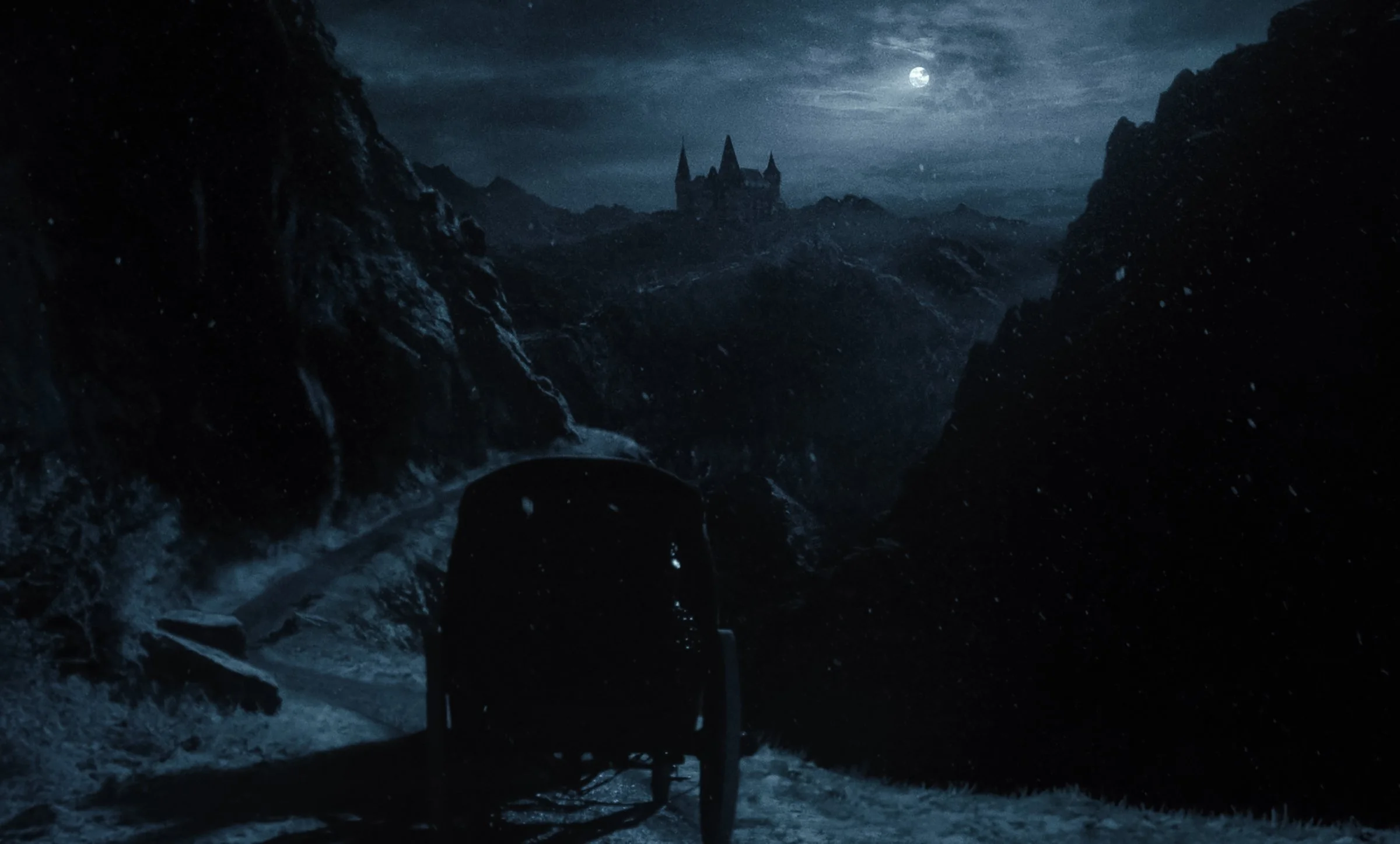
A brief history of the vampire story…
You might think that Dracula, featured in the novel by Bram Stoker, is the original vampire.
It’s not. It’s not the original vampire story. It’s not even the original vampire novel.
Carmilla by Sheridan le Fanu was the first published vampire novella— but he, like Stoker, was Irish. Le Fanu was Bram Stoker’s mentor… but neither of them had ever even been to Central Europe, where the story takes place.
And the vampire story, as we now understand it in the western world, is based on Central European folklore.
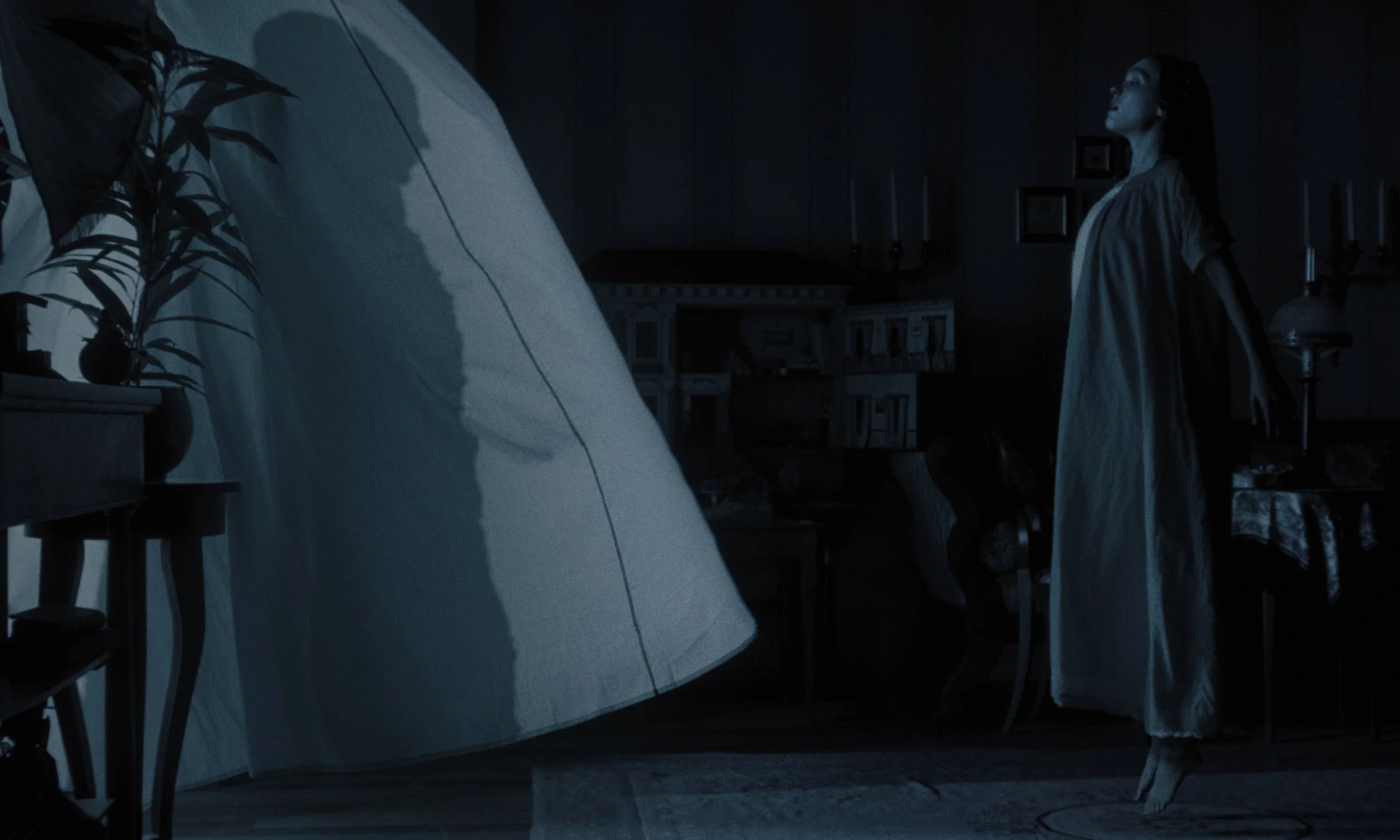
Image provided by Focus Features
Dracula is still the most famous story.
It reached the biggest audience in Western Europe—and in the UK, where telling ghost stories is a Christmas tradition.
When Dracula’s author died, his wife, Florence Stoker, was selling the rights to develop the story to everyone who asked. Almost everyone.
German filmmaker (F. W. Murnau) approached Florence for film rights, and she said no.
So F. W. Murnau said, Ok. And he made the silent film Nosferatu anyway. Illegally.
Nosferatu is basically the same story as Dracula. Names and locations have been changed, but the narrative is largely the same.
BUT Nosferatu was made by a Central European filmmaker. Even though it’s self-referential, Nosferatu kind of re-grounds the story—or at least, it’s a start to grounding the story in the place where the folklore of this type of vampire originates.
Nosferatu versus Dracula.
Bram Stoker’s wife Florence demanded that all copies of the adaptation Nosferatu be destroyed. It was created illegally. That’s true.
But there were a few people who hung onto those reels. Thank GOD. Because it is a truly beautiful silent film.
Smash cut to the 1970s, Werner Herzog adapts Nosferatu to the screen. Herzog is German as well, so there’s more re-grounding, but it was not his goal to be authentic.
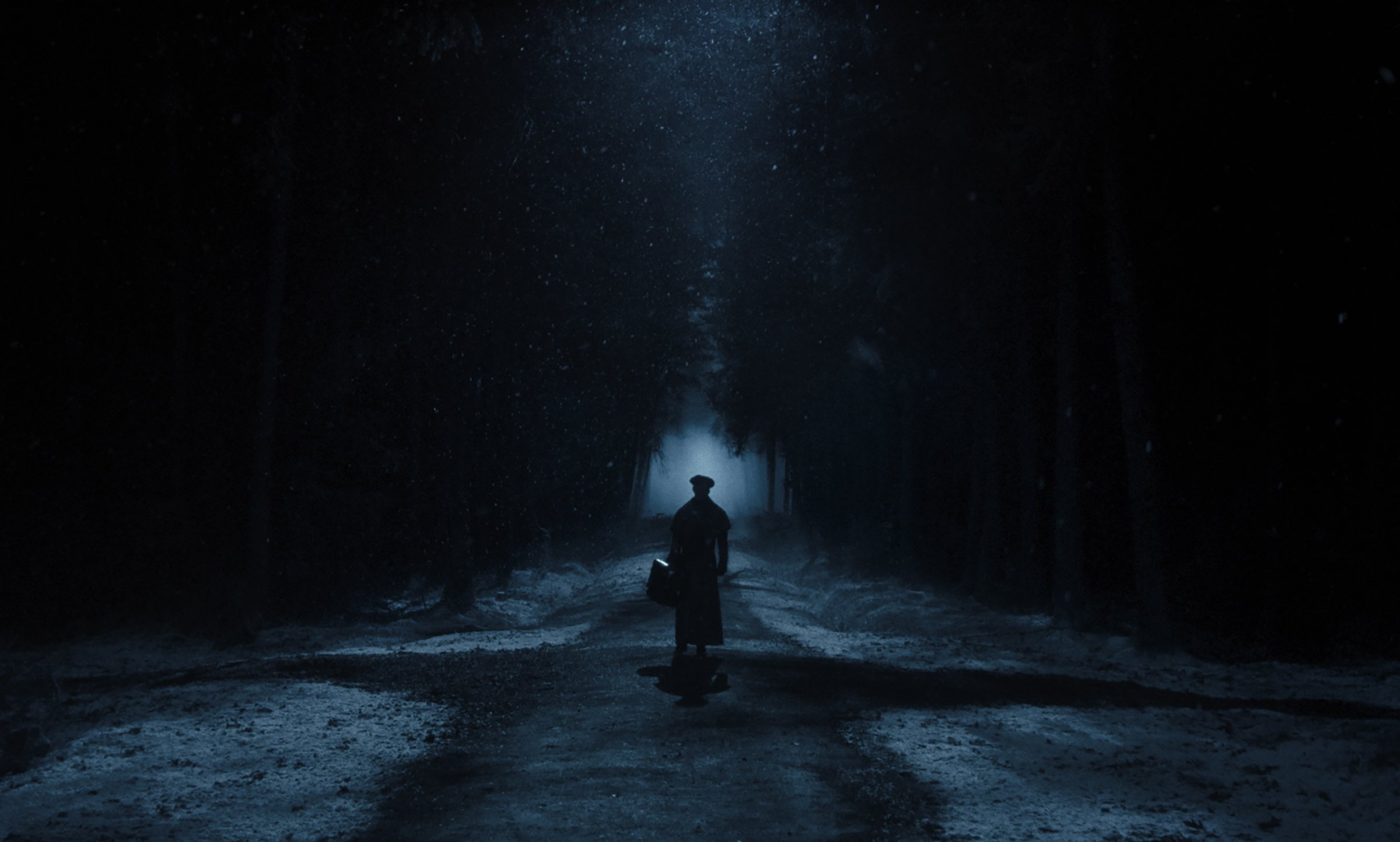
Image provided by Focus Features
A century after the first Nosferatu, and over 120 years after Dracula the novel, in 2024, Robert Eggers, my favorite, released his Nosferatu.
Nosferatu (2024) is the most authentic vampire film in these four ways:
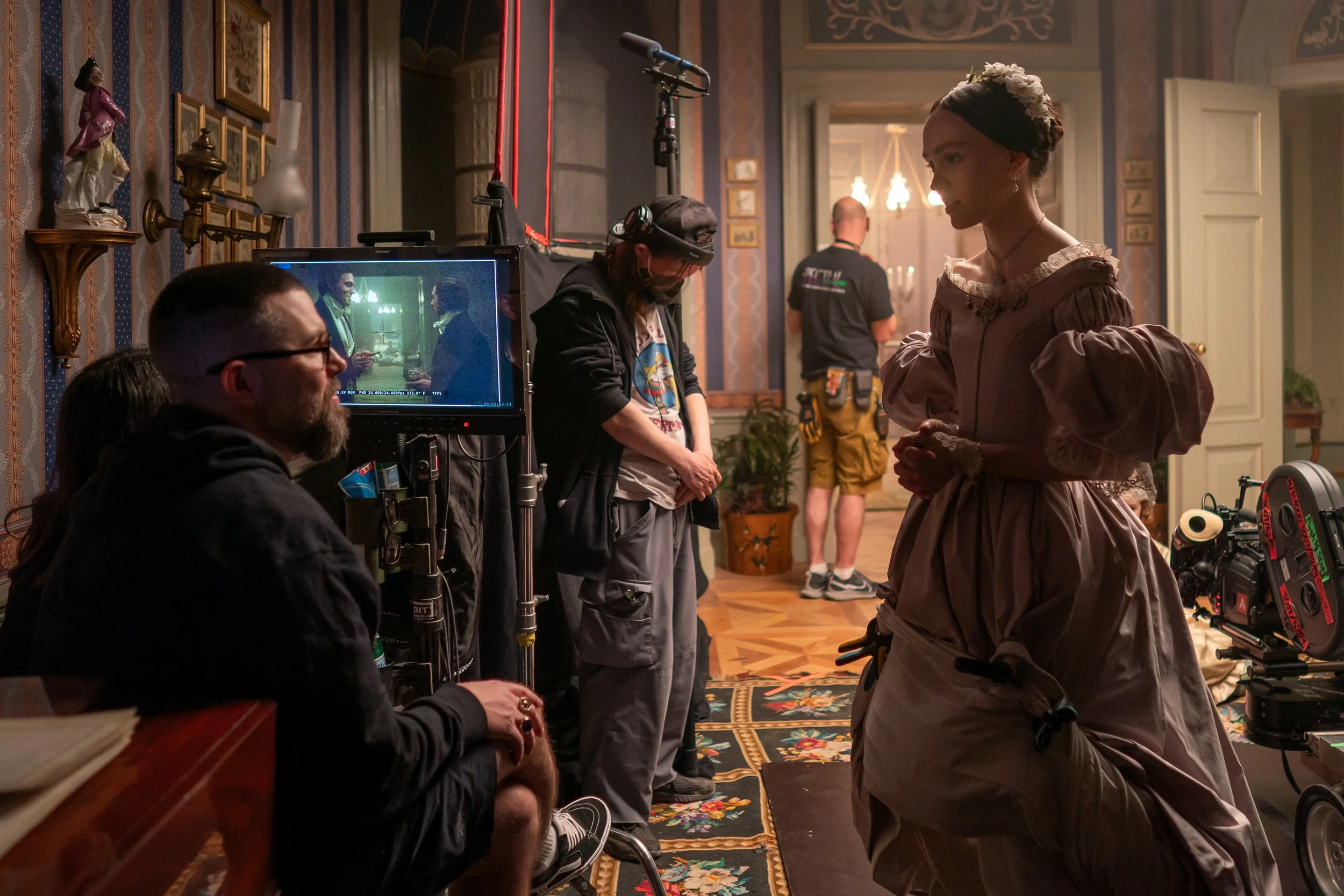
Image provided by Focus Features
1, the costumes.
It’s no easy undertaking to recreate clothing from 1837 Germany. There are very few dress plates to look back on for reference, yet they feel so real. Everything from the dropped shoulder of Ellen’s gowns to the bows on the pillows that prop her up during her possession… no detail goes unnoticed.
Even the Count’s costume is not just an opera outfit—which is what Bela Lugosi wore in Universal’s classic Dracula (1931).
And it’s not just a coach jacket either—which is what Orlok (Max Schreck) wore in Nosferatu (1922).
This Orlok (Bill Skarsgård) wears what a Central European aristocrat would have worn in the 1700s, or even before. Look at his hat!
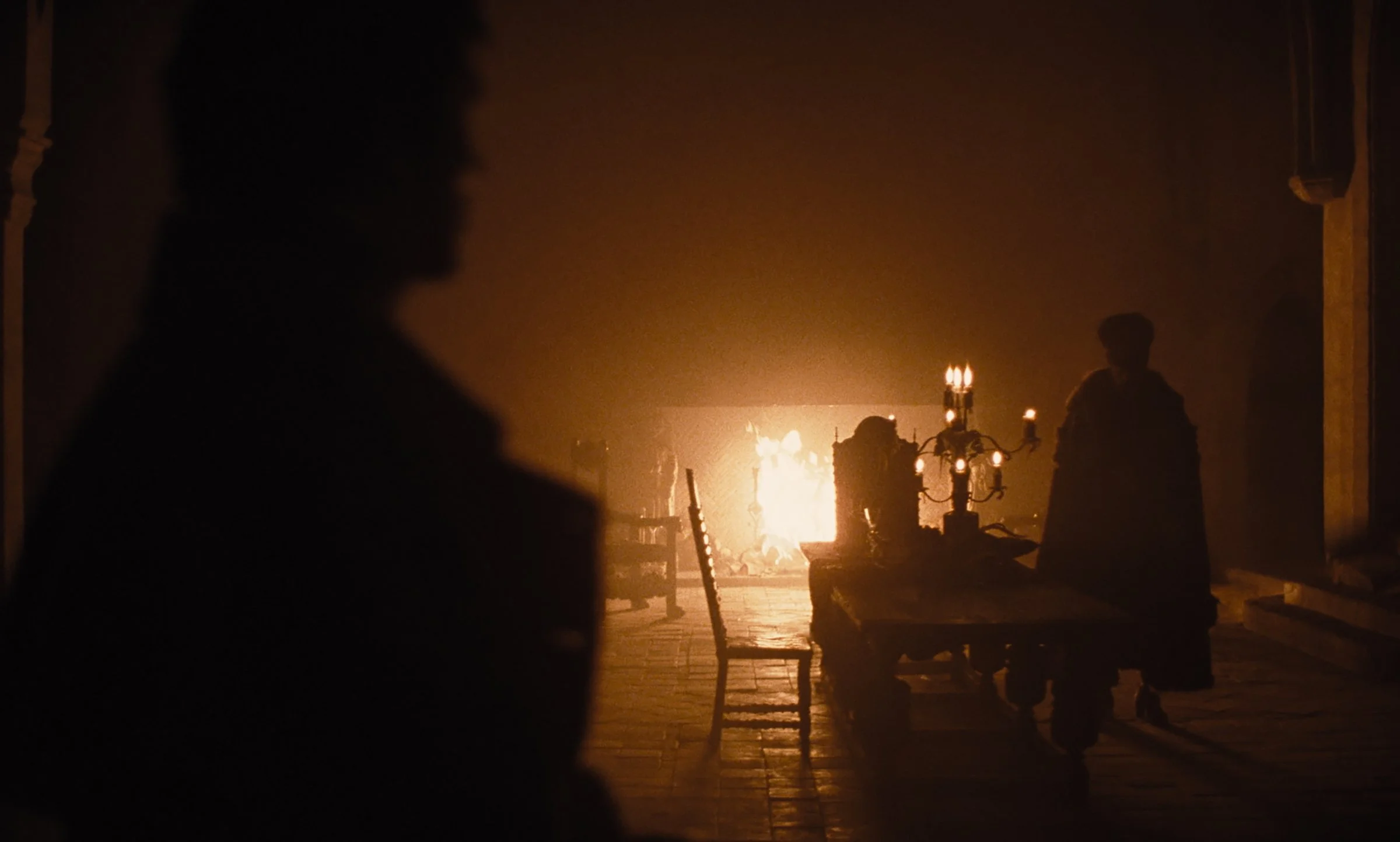
Image provided by Focus Features
2, The set.
So much of this footage was filmed on location in Central Europe. The other sets were recreated (based on Eggers’ extensive research) because they no longer existed in the form they would have in 1837.
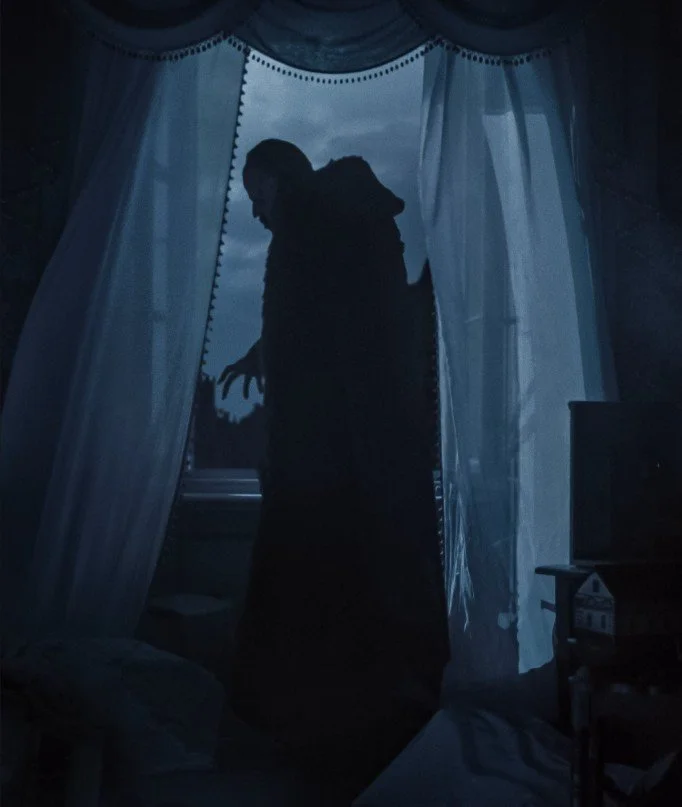
Image provided by Focus Features
3, The villain.
Again, the research. This Orlok is authentic in that he is not a sexy vampire. He doesn’t look like Gary Oldman, and he definitely doesn’t look like Ozzy Osbourne.
This vampire embodies the derivation of the very word: “vampyre” translates as “plague bringer.”
So it tracks that Orlok looks like walking corpse: he’s monster who smells of decay and brings the literal plague. He’s scary. He has the long fingers and nails of a cadaver, he hunches inside his many furs, his hooved feet fall heavy on the falling-down stairs of his decrepit castle.
And speaking of the way he sounds… it takes a long time to get a full look at the creature. We see him in shadows, around corners, at night. Our senses rely on his sounds. Especially his voice.
Bela Lugosi’s Hungarian accent is charming, but Skarsgård matches the Romanian accent as well as if it was his mother tongue. He also worked with an opera voice coach to lower his voice a full octave. That’s why it rattles my core… I think. It’s chilling.
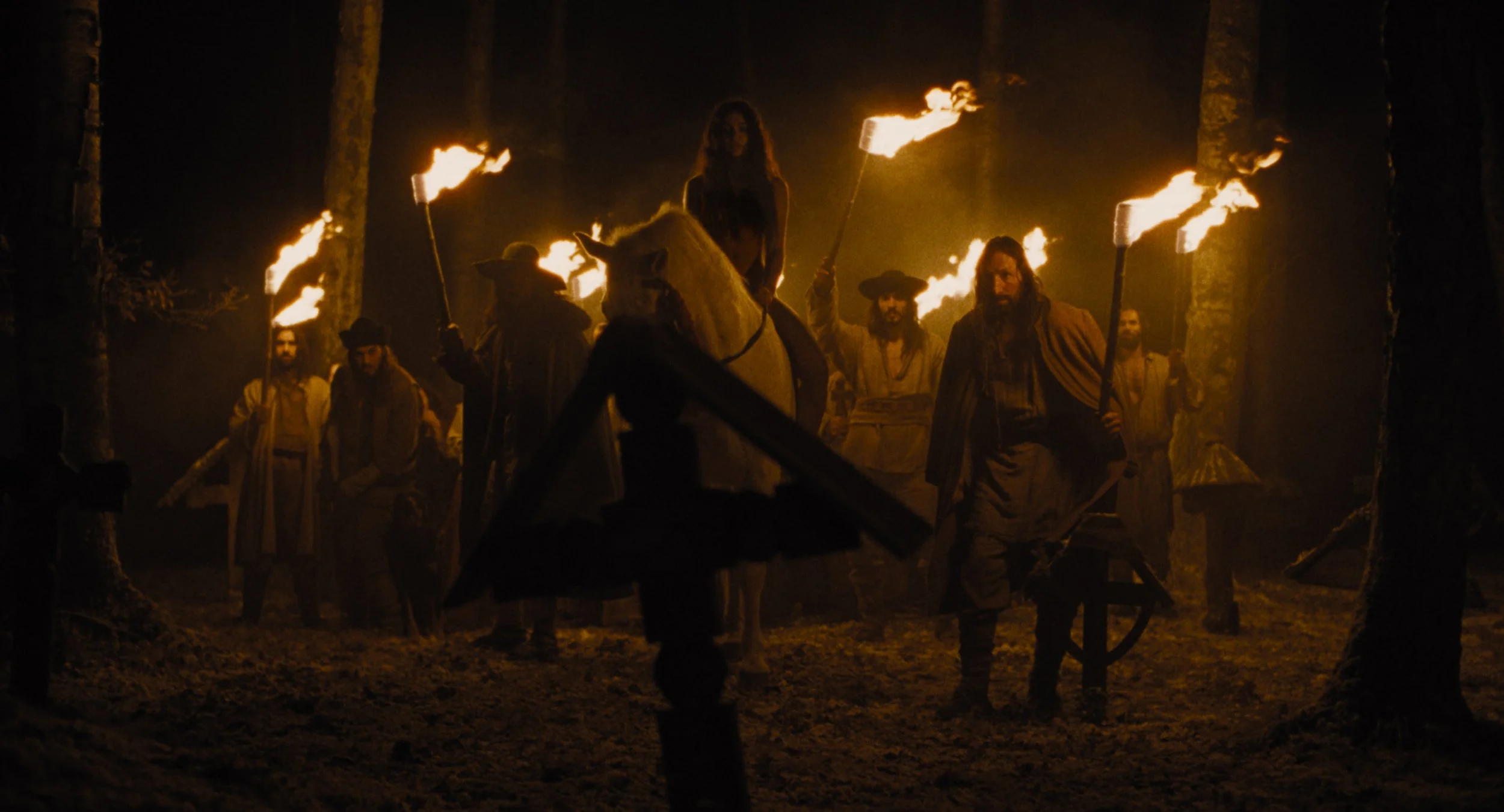
Image provided by Focus Features
4, the Romani
On my first reading of Bram Stoker’s novel Dracula, I distinctly remember Bram Stoker (by way of Jonathan Harker) calling the “Gypsies” “picturesque” multiple times, and blatantly ignoring their warnings about the castle. When I mentioned this observation to my professor, she said, “You mean, he’s racist?”
Yes, and the people in Central Europe during the mid-19th century were largely prejudiced against Romani—some of those prejudices still exist. Eggers’ film Nosferatu captures that xenophobia while making the Romani scary. We meet them through Thomas Hutter (Nicholas Hoult), and he does not understand that their rituals are actually protecting them all from Nosferatu.
The Romani were ultimately warning him, just as they warn Jonathan Harker in Dracula. Even the innkeeper, a local, comes out and tells them to leave—he too misunderstands them.
It’s a smart way to set Thomas on edge and pay homage to the exotification and xenophobia and racism so present in Dracula.
I’ll admit, the Romani in Nosferatu seem to have stolen Thomas’ horse—which is a stereotype. And, yes, these scenes and the whole film still exoticize Central European culture. But without that lens, the story doesn’t exist: it’s there in the subject matter.
Still, Eggers did hire Romani people for the roles in his film. Romani is not a monolithic culture, but this casting choice is still a step many directors don’t bother with.
(I am not Romani. I am Arab, and I’ll be one of the first to say that contrary to what Hollywood likes to do, brown does not equal brown. Representation is important.)
The scenes featuring the Romani also depict old folkloric beliefs that the earlier stories overlook. For example: a virgin riding a white horse will not step on the grave of a vampire. She is not a sacrifice. She protects them all against accidentally awakening the vampire.
The dream sequence in which this happens supports the plot by showing that there is a way to combat the evil… Thomas just doesn’t know how to do it.
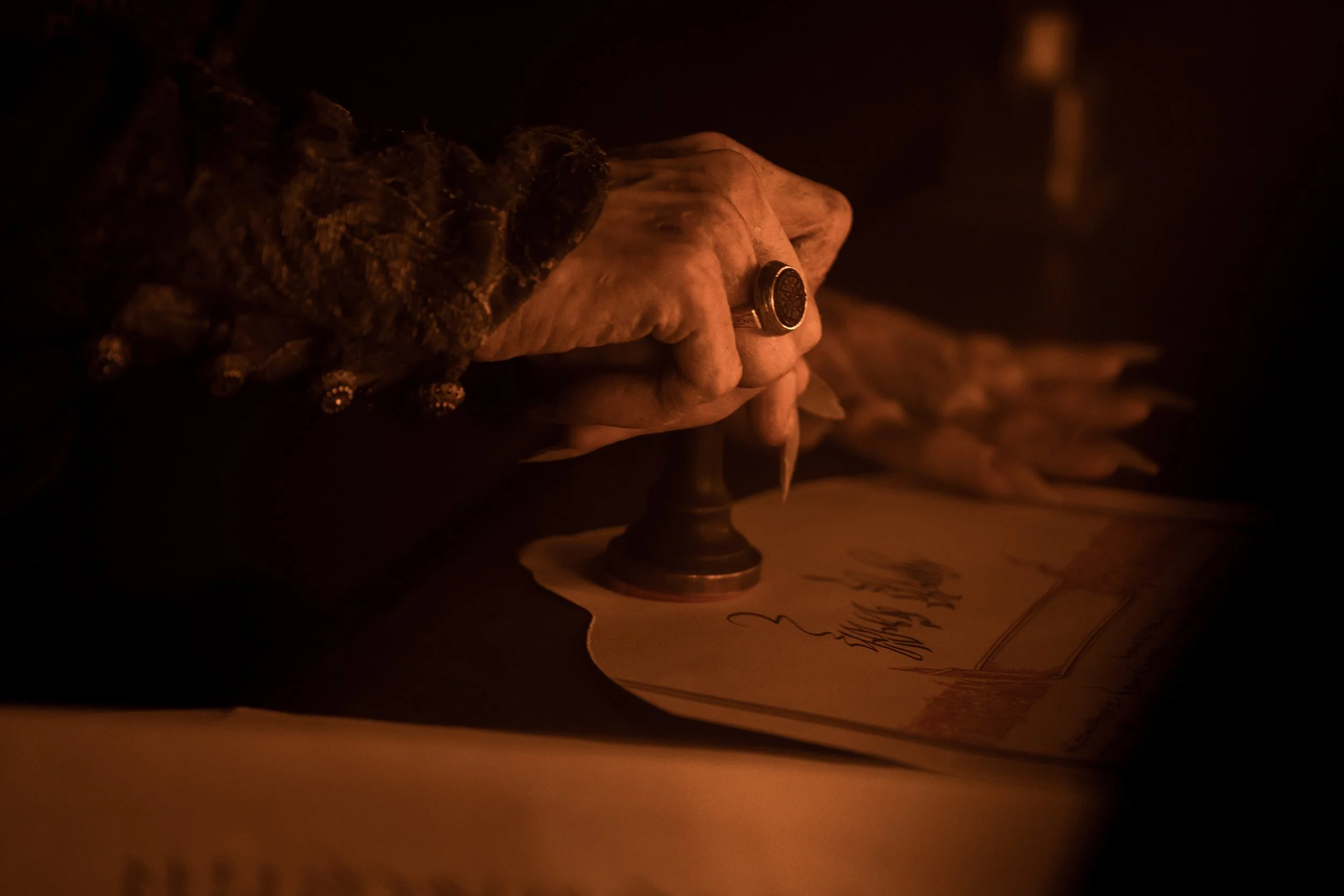
Image provided by Focus Features
For all these accurate historic and folkloric representations—the costumes, the set, the villain, and the Romani—Robert Eggers’ Nosferatu is the best. Full stop.
If I’ve forgotten other examples, please let me know.
---
If this story stayed with you, you might also like:
→ What Was FRANKENSTEIN Based On?
→ The Roots of GET OUT Run Long, Deep… And Undead
→ 7 Reasons Why You’ll Love Carmilla More Than You Love Dracula
→ Vampire Myths from Around the World, and What They Have in Common
